
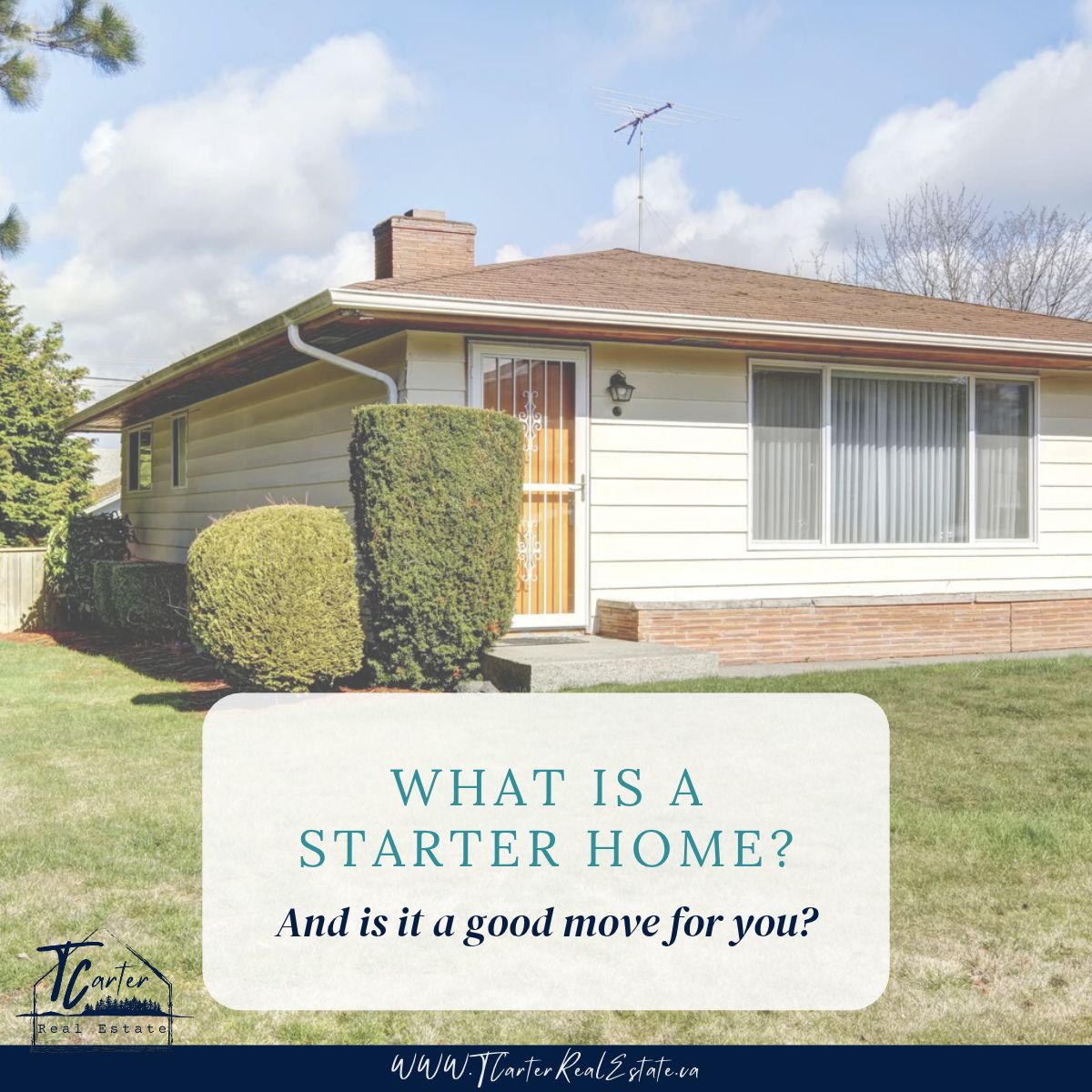
What exactly is a “starter home”?
A starter home is generally a smaller, more affordable home that someone purchases as their first step into homeownership. Buying a starter home can be a great way to get into the housing market without taking on more house than you need or can comfortably afford.
It may be smaller, need a few updates, or lack some of the features on your wish list. But it could also give you the opportunity to build equity and work toward your next home.
Starter homes often include smaller single-family houses, townhomes, condos, or older homes that may need a few updates. But here’s the important question: Is buying a starter home still a smart move?
Why buyers consider a starter home?
There are several reasons buyers choose to start smaller rather than wait until they can afford their dream home.
- A more manageable purchase price: A lower-priced home may mean a smaller down payment and a more comfortable monthly mortgage payment.
- An opportunity to build equity: As you pay down your mortgage and if the home’s value appreciates, you may build equity that can help with a future purchase.
- A way to enter the housing market sooner: Instead of waiting years to afford a larger home, you may be able to begin homeownership now.
- Experience as a homeowner: You’ll learn about maintenance, repairs, budgeting, and the responsibilities that come with owning a property.
What are the potential downsides?
A starter home isn’t automatically the right choice for everyone. Before purchasing, consider a few potential drawbacks:
- Limited space: You may outgrow the home if your household or lifestyle changes.
- Renovation expenses: A lower purchase price may come with outdated features or repairs that require additional money.
- Moving costs: If you plan to move within a few years, you’ll need to account for selling expenses, closing costs, and the cost of purchasing another home.
- No guarantee of appreciation: Home values can rise or fall. Building equity is not guaranteed simply because you own a home.
Should you buy a starter home or wait for your forever home?
The answer depends on your finances, lifestyle, and future plans. A starter home may make sense if:
- You can comfortably afford the monthly payment.
- You have enough savings for closing costs, repairs, and emergencies.
- You are comfortable with a smaller home or fewer upgrades.
- You expect to stay long enough to make the purchase worthwhile.
- The location meets your current needs and offers reasonable access to the things that matter to you.
Waiting may make more sense if:
- You anticipate a major lifestyle change in the near future.
- You would need to stretch your budget to afford even a starter home.
- You have not saved enough for unexpected homeownership expenses.
- You are likely to move again very soon.
Don’t forget to look beyond the purchase price.
One of the biggest mistakes buyers can make is focusing only on what a home costs. Remember to consider property taxes, homeowners insurance, utilities, HOA fees, maintenance, and potential repairs. A home with a lower purchase price isn’t necessarily less expensive to own.
Also, think about the neighborhood. A smaller home in a location you love may serve you better than a larger home in an area that doesn’t fit your lifestyle.
The bottom line
Your first home doesn’t have to be your dream home. It should be a home that makes financial sense, supports your current lifestyle, and gives you room to plan for the future. A starter home can be a wonderful first step, but it should be a thoughtful decision rather than simply a way to get into the market.
Before you start shopping, talk with a real estate professional who can help you evaluate your options, understand your local market, and determine whether buying a starter home is the right move. Your first home is an important milestone. Make sure it’s a step forward, not a financial stretch.
How to make a starter home work for you
If you decide to purchase a starter home, look for features that will make it easier to live in and potentially easier to sell later. Consider:
- A functional floor plan.
- A location with convenient access to shopping, work, schools, and everyday activities.
- A home with good maintenance history.
- Space that can adapt to changing needs.
- Features that appeal to a broad range of future buyers.
- Improvements you can make gradually without taking on excessive debt.
Remember, you don’t need a perfect home. You need one that makes sense for your life and budget.